
One of the most common questions we get is: should I fly or drive? It's a fair question. Both options will get you to the same parks and the same wildlife — but they are genuinely different experiences, with different costs, different trade-offs and different things you gain or lose along the way.
We've planned hundreds of safaris using both options. Here's an honest breakdown of what each one involves.
Fly if time is your main constraint and budget is less of a concern. Drive if you want the full African landscape experience and are happy to spend 5–6 hours on the road. Many travellers combine both — fly one way, drive the other.
The Road Safari
A road safari means travelling between parks in a private 4×4 Land Cruiser with your guide. For most Kenya itineraries, the main road journey is Nairobi to the Maasai Mara — about 5 to 6 hours each way.
The drive takes you southwest out of Nairobi, down through the Great Rift Valley escarpment, past Narok town and into the wide savannah that eventually becomes the Mara. The landscape changes dramatically as you descend from the highlands — it's worth looking out the window. Many people say the drive sets the mood for the whole safari.
You also pass through Maasai country on the road. You'll see roadside markets, livestock being herded, kids walking to school in red shuka. It's a slice of Kenya that a bush flight skips entirely. If Africa is what you came for — not just the wildlife but the place — the road gives you more of it.
✓ Road Safari Advantages
- Significantly cheaper — no flight cost
- No luggage restrictions — bring what you need
- You see the countryside, villages and landscape
- More flexible — stops en route possible
- Same guide throughout the entire trip
- No weather delays or weight check-ins
✗ Road Safari Drawbacks
- 5–6 hours each way is tiring
- Some roads can be bumpy, especially in wet season
- Eats into time in the park on arrival day
- Less practical for short trips of 3–4 days
The Flying Safari
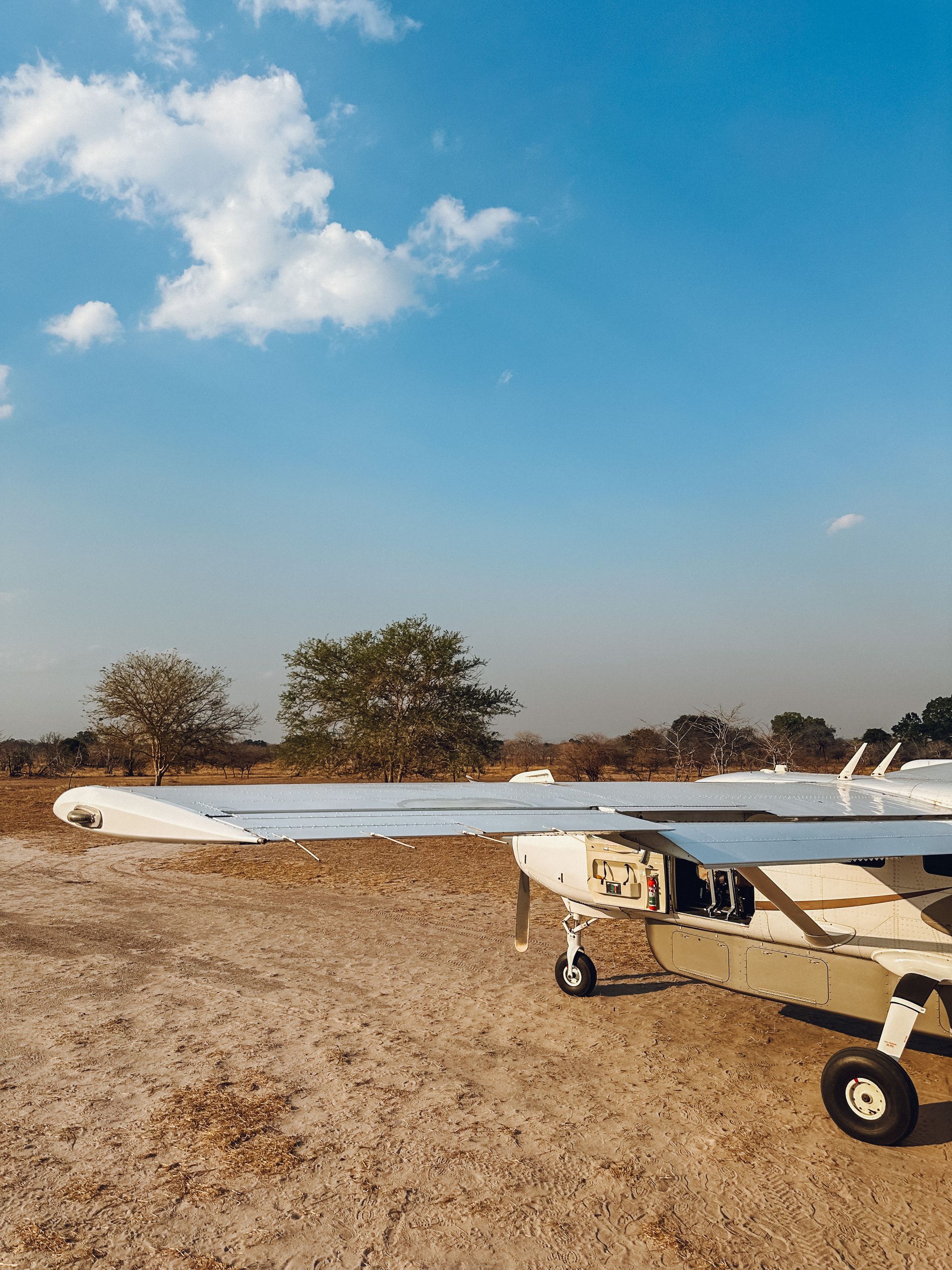
A bush flight from Wilson Airport in Nairobi to one of the Mara airstrips takes around 45 minutes. You board a small aircraft — usually a Cessna Caravan or similar — and fly low over the Rift Valley and the savannah below. The aerial views alone are memorable. You can see the scale of the landscape in a way that's impossible from the road.
On landing, a vehicle from your camp meets you on the airstrip and you're in the bush within minutes. No long drives, no fatigue — you arrive fresh and can head straight out on a game drive if timing allows.
The trade-off is cost. A one-way bush flight from Nairobi to the Mara typically costs between $150 and $200 per person, depending on the operator and season. For a couple flying both ways, that's an extra $600–$800 on top of the safari cost. There are also luggage restrictions — most operators allow 15kg in a soft bag only. No hard suitcases.
✓ Flying Safari Advantages
- 45 minutes vs 5–6 hours — saves a full day
- Aerial views of the Rift Valley and savannah
- You arrive in the park fresh and energised
- Ideal for short trips where every hour counts
- The flight itself is an experience
✗ Flying Safari Drawbacks
- Adds $150–$200+ per person each way
- 15kg soft bag limit — forces light packing
- You miss the overland landscape and countryside
- Subject to weather delays on small planes
- Different guide meets you at the airstrip
Side-by-Side Comparison
| Factor | ✈ Flying Safari | 🚙 Road Safari |
|---|---|---|
| Travel time | ~45 minutes | 5–6 hours each way |
| Extra cost | $150–$200+ per person each way | Included in safari cost |
| Luggage | 15kg soft bag only | No restriction |
| Landscape experience | Aerial views (impressive) | Full overland experience |
| Flexibility | Fixed schedules, limited seats | Depart when you like, stop en route |
| Best for | Short trips, time-limited travellers | Budget travellers, first-timers, longer trips |
Who Should Choose Which
Choose a flying safari if you…
- Have 5 days or less and want maximum time in the park
- Are visiting multiple parks and don't want long road transfers between them
- Are comfortable packing light (15kg soft bag)
- Have the budget and want the aerial experience
- Are older or have mobility concerns — fewer long drives
Choose a road safari if you…
- Want to see the Kenyan countryside and Rift Valley
- Have 6 days or more and can afford one travel day each way
- Are on a budget and want to put the savings towards accommodation
- Are travelling with children who find flying difficult
- Want the same guide throughout — a real relationship builds on the road
The Best Option: Combine Both
A lot of our clients do this — and it works really well. Drive one way, fly the other. You get to experience both, you only pay for one flight, and you see the landscape on the way in without the fatigue of the same long drive on the way out.
The most common combination: drive from Nairobi to the Mara on Day 1 (you're fresh, the scenery is new and exciting), then fly back from the Mara to Nairobi on the last day (saves energy at the end of the trip and makes the most of your final morning in the bush).
If you have a week or more: drive in, fly out. If you have 4–5 days: fly both ways and spend that extra day on a game drive. If budget is the priority: drive both ways — the road is genuinely scenic and the money saved is better spent on an extra night at a good camp.
Frequently Asked Questions
How much does a bush flight cost in Kenya?
Between $150 and $200 per person one way for most routes from Nairobi. Prices vary by operator and season. We arrange all bush flights as part of our safari packages and can get you current pricing.
How long is the drive from Nairobi to Maasai Mara?
Around 5 to 6 hours by road. The route passes through the Great Rift Valley escarpment and Narok town. Road conditions are generally good but can be slower in wet season.
What are the luggage restrictions on bush flights?
Most operators limit you to 15kg in a soft-sided bag. Hard suitcases are not accepted. You can usually bring a small daypack as hand luggage. We send a full packing guide with every booking.
Can I combine flying and driving on the same safari?
Yes — and we recommend it. Drive in, fly out (or the reverse) is one of the most popular options. We arrange everything as part of the same itinerary, so there's nothing to organise separately.